
Retail Violence Is Rising: How Modern SIA Conflict Management Training Prepares You


Retail and service staff are dealing with more difficult and potentially violent incidents at work.
Security operatives are often the first trained people available when a situation starts to escalate.
This is especially relevant in shops, supermarkets, shopping centres, public-facing services and other busy environments.
The Security Industry Authority’s 2026 research found that 43% of licence holders are dealing with increasing levels of violence at work. The research also highlighted particular concerns in retail.
The SIA is now proposing changes to conflict-management training.
The aim is clear: prepare security operatives for realistic situations, improve public safety and help staff respond before conflict becomes violence.
Important: The proposals are not yet law. The SIA consultation closes on 23 October 2026. Final specifications are expected in winter 2026, with new qualifications planned for later in 2027.
What Is Changing in SIA Conflict Management Training?
The SIA is proposing a new approach to conflict management for security guarding operatives.
The proposed changes include:
- More realistic, front-line scenarios.
- Greater focus on communication under pressure.
- Better preparation for aggression and abuse in retail environments.
- Clearer responses to rising risk.
- A proposed post-licence standard for advanced physical intervention.
- Consideration of whether advanced physical intervention should be voluntary or compulsory for higher-risk roles.
Traditional classroom knowledge remains important.
However, security operatives must also know how to apply that knowledge in a real workplace.
A customer refusing to leave a shop is different from a person threatening staff.
A disagreement about a refund is different from suspected theft followed by aggressive behaviour.
Modern SIA training must help learners recognise the difference and choose a safe, proportionate response.
Why Retail Security Needs Better Preparation
Retail security guards and door supervisors work in environments where conflict can develop quickly.
Common triggers include:
- Refused entry.
- Suspected shoplifting.
- Refused service.
- Age-restricted sales.
- Customer complaints.
- Intoxication or drug use.
- Long queues and delays.
- Mental health or welfare concerns.
- Verbal abuse towards staff.
- Groups of people creating pressure or distraction.
- Customers filming or challenging security decisions.
The first response can influence what happens next.
A rushed command, confrontational tone or unnecessary physical contact can increase tension.
A calm explanation, safe distance and clear boundary can help prevent the situation from escalating.
This is why employers increasingly expect more than a security licence.
They want a security guard or door supervisor who can communicate, assess risk and act professionally.
The Core Skills Employers Expect
1. Recognise early warning signs
Conflict often shows signs before it becomes physical.
Look for:
- Raised voice or repeated shouting.
- Threatening language.
- Sudden changes in posture.
- Clenched fists.
- Pacing or blocking movement.
- Fixation on one member of staff.
- Attempts to gather a crowd.
- Refusal to follow reasonable instructions.
- Signs of intoxication or distress.
Recognising these signs early gives you more options.
You can request support, move staff away, create space or adjust the approach before the risk increases.
2. Stay calm and professional
Your behaviour affects the other person.
Use a steady voice.
Avoid sarcasm, insults or unnecessary challenges.
Do not mirror aggressive body language.
Stand at a safe distance and keep your hands visible.
Use short sentences and explain what needs to happen next.
For example:
“I want to help resolve this. Please step back from the staff member so we can speak safely.”
The aim is not to win an argument.
The aim is to reduce risk and protect people.
3. Listen before giving instructions
Listening does not mean agreeing with abuse or allowing unsafe behaviour.
It gives you information.
Ask simple questions:
- “Can you tell me what has happened?”
- “What do you need help with?”
- “What would help resolve this safely?”
- “Are you injured or feeling unwell?”
Allow the person to speak where it is safe to do so.
Then set a clear boundary.
“I understand that you are unhappy. Staff cannot continue the conversation while you are shouting. If you lower your voice, we can discuss the next step.”
4. Use clear boundaries
Security training should prepare you to give lawful, reasonable and professional instructions.
Avoid vague statements.
Explain:
- What behaviour must stop.
- What action is required.
- What may happen if the behaviour continues.
- Where the person should move.
- Who can provide further assistance.
Keep the instruction proportionate to the situation.
Do not threaten consequences that you cannot lawfully or practically enforce.
5. Escalate safely
You do not have to manage every incident alone.
Call a supervisor or control room when:
- The person refuses reasonable instructions.
- The risk is increasing.
- There are multiple people involved.
- A weapon is suspected.
- Staff or members of the public are at immediate risk.
- The person appears injured, unwell or in crisis.
- Police or emergency medical support may be needed.
Good conflict management includes knowing when to step back.
Quick-Reference De-escalation Ladder

Use this simple ladder as a reminder:
- Notice risk – Identify behaviour, vulnerability and immediate hazards.
- Stay calm and create space – Use distance, positioning and a controlled tone.
- Listen and set boundaries – Acknowledge concerns and explain what must change.
- Call support and escalate safely – Involve supervisors, police or emergency services when required.
- Record, report and review – Document the incident and identify improvements.
Always follow the employer’s procedures and site risk assessment.
Use the least intrusive response that keeps people safe.
Conflict-Management Scenario Quiz
Scenario: You are working as a security guard in a supermarket. A customer is angry because staff have stopped a suspected theft. The customer is shouting, recording on a mobile phone and standing close to a member of staff. They refuse to move back.
What should you do first?
A. Take the phone from the customer.
B. Shout louder so the customer knows you are in control.
C. Keep a safe distance, use a calm voice, ask the customer to step back and call support if the risk continues.
D. Immediately use physical intervention.
Correct answer: C.
The first priority is to create safety and reduce escalation.
You should use clear communication, maintain distance and request assistance in line with site procedures.
Physical intervention is not the automatic response to shouting or recording.
Any intervention must be lawful, necessary, reasonable and proportionate to the circumstances, and must follow your training and employer policy.
What Does the Proposed Advanced Physical Intervention Standard Mean?
The SIA is proposing a new post-licence standard in advanced physical intervention skills.
This would be additional training after a standard licence.
It is intended for higher-risk deployments where operatives may face a greater likelihood of violence.
The consultation asks whether the standard should be:
- Voluntary for suitable roles.
- Compulsory for specific higher-risk deployments.
- Applied through employer or contract requirements.
No final decision has been made.
For operatives, the practical message is simple: physical intervention should not replace conflict management.
The best outcome is still to prevent violence where possible.
Operatives need to understand:
- Prevention and early intervention.
- Safe communication.
- Team support.
- Proportionate responses.
- Duty of care.
- Post-incident reporting.
- When to withdraw and request emergency help.
SIA Training Options at Zems Academy
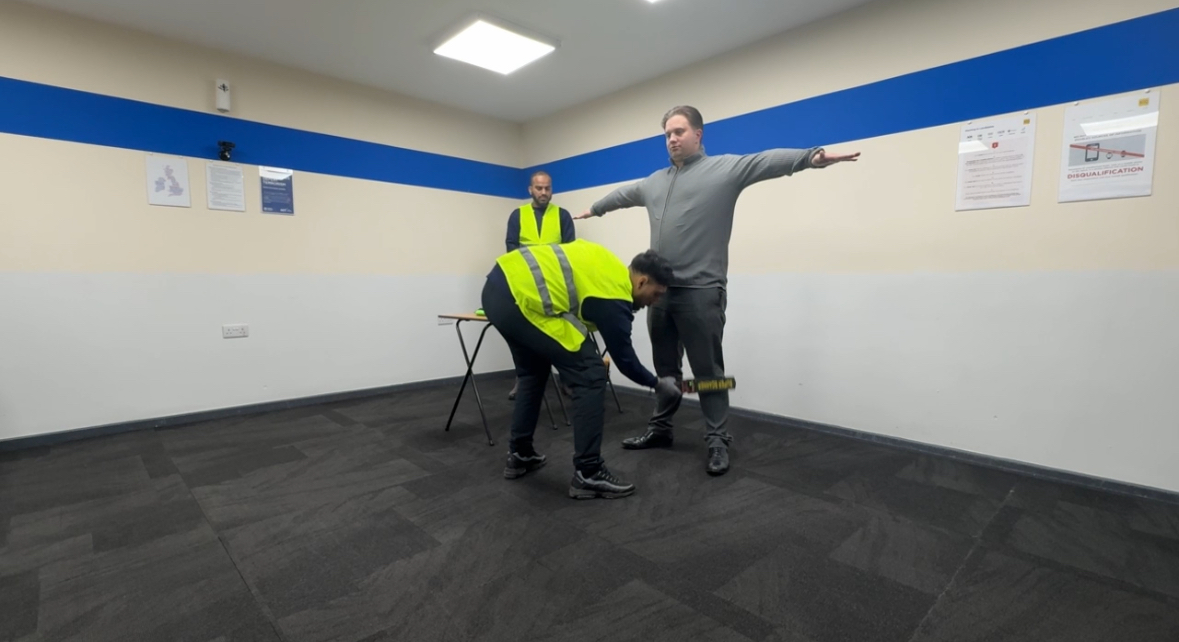
Zems Academy delivers practical security training in Birmingham for learners preparing to work in private security.
The Level 2 Door Supervisor Course includes:
- Principles of working within the private security industry.
- Principles of working as a door supervisor.
- Application of conflict management.
- Application of physical intervention skills.
- Emergency First Aid at Work training.
- Six days of training.
- Free Wi-Fi, parking and first resit.
This pathway is suitable for people seeking work in security, nightlife, events and other public-facing environments.
For security guarding roles, review the Level 2 Security Officer training page and check current course availability.
Zems Academy also offers Level 3 Conflict Management for suitable trainers and professionals who want to develop their ability to deliver scenario-based conflict-management training.
The course includes units covering:
- Managing conflict in the workplace.
- Dealing with customers, service users and the public.
- Delivering scenario-based conflict-management training.
How to Prepare Before the New Standards Arrive
Do not wait for the proposed changes to become mandatory.
Take action now:
- Refresh your conflict-management skills.
- Practise calm, clear communication.
- Learn your employer’s escalation procedure.
- Review site-specific risks.
- Check that your first aid qualification remains in date.
- Record and review difficult incidents.
- Ask for scenario-based refresher training.
- Build confidence in working with colleagues and control rooms.
- Keep up with official SIA announcements.
The SIA consultation is open until 23 October 2026. Read the official GOV.UK announcement and use the SIA consultation page for response details.
Start Your Security Career with Zems Academy
Retail employers need security professionals who can do more than observe.
They need people who can communicate clearly, manage conflict and protect staff and the public.
Whether you want to become a door supervisor, work as a security guard or develop your existing skills, the right training gives you a stronger foundation.
Book your next step with Zems Academy.
View all Zems Academy training courses
Start your SIA training in Birmingham
Contact Zems Academy to confirm course dates, entry requirements and availability before booking.